
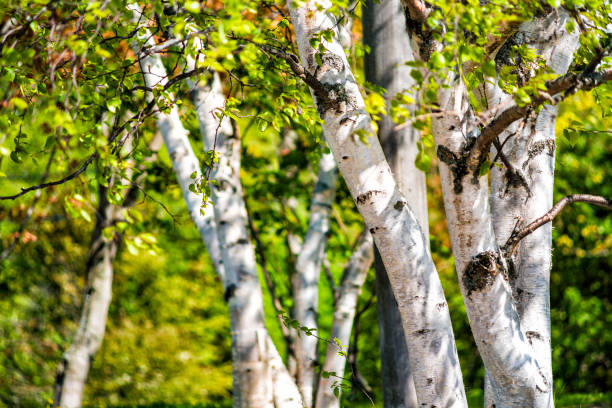
Birch trees Michigan are among the most attractive and widely appreciated trees in the region, known for their iconic peeling bark, seasonal beauty, and ability to thrive in cooler climates. birch trees michigan These trees add year-round visual interest to landscapes and are commonly found in both natural woodlands and residential yards across the state. Understanding how birch trees grow and what they need is essential for maintaining their health and longevity.
Understanding Birch Trees in Michigan Landscapes
Birch trees are valued for their distinctive white, yellow, or bronze bark and delicate foliage that turns golden in the fall. In Michigan, they are especially popular due to the state’s cool climate and moist soil conditions, which suit many birch species.
Some of the most common varieties found in the region include paper birch, yellow birch, and river birch. Each type has slightly different soil and moisture preferences, but all share a need for well-drained soil and adequate sunlight.
Birch trees Michigan homeowners plant often serve as ornamental focal points in yards due to their elegant appearance and fast growth rate.
Ideal Growing Conditions for Birch Trees
Birch trees perform best in environments that replicate their natural woodland habitat. In Michigan, this usually means cooler temperatures, consistent moisture, and slightly acidic soil.
Key growing conditions include:
- Sunlight: Full sun to partial shade
- Soil Type: Moist, well-drained, slightly acidic soil
- Water Needs: Regular watering, especially in dry periods
- Climate: Cooler regions with moderate humidity
Proper placement is crucial because birch trees are sensitive to heat stress and drought conditions. Planting them in areas with good air circulation helps prevent disease and pest problems.
Planting Birch Trees in Michigan
When planting birch trees Michigan landscapes require careful planning. The root system of birch trees tends to spread widely and stays relatively shallow, which means they should be planted away from foundations, driveways, and underground utilities.
Steps for successful planting include:
- Choose a location with enough space for mature growth
- Prepare soil with organic matter for improved drainage
- Dig a hole twice as wide as the root ball
- Keep the root flare slightly above ground level
- Water thoroughly after planting
Adding mulch around the base helps retain soil moisture and regulate temperature, which is especially important during Michigan’s warm summers.
Common Problems and Maintenance
Although birch trees are beautiful, they require regular care to stay healthy. In Michigan, they can be affected by pests such as birch borers and diseases like leaf spot or cankers.
Common maintenance tips include:
- Regular pruning to remove dead or weak branches
- Monitoring for bark damage or insect activity
- Deep watering during dry seasons
- Avoiding heavy fertilization unless necessary
Stress from heat or drought is one of the biggest challenges for birch trees Michigan residents face, so consistent watering is essential during summer months.
Benefits of Birch Trees in Michigan
Birch trees provide several benefits beyond aesthetics. They improve air quality, offer shade, and support wildlife such as birds and small mammals. Their bark and seeds are also important food sources for certain species.
Additionally, birch trees enhance property value by improving landscape appeal, making them a popular choice for homeowners looking to upgrade their outdoor spaces.
Conclusion
Birch trees Michigan landscapes depend on proper care, ideal planting conditions, and regular maintenance to thrive for many years. With the right attention, these trees can remain healthy and visually striking throughout all seasons.
At the end of the day, maintaining strong, beautiful birch trees requires knowledge and consistency. That’s where longtree can help ensure your trees stay healthy, strong, and properly maintained for the long term.